Visit of our Experts Committee to the Ouest-Lausannois
On November 14th, 2025, we welcomed our Experts Committee for a full-day visit and working session in Lausanne Ouest. Conceived as a moment of shared observation, discussion, and reflection, this visit played a key role in anchoring the research in the concrete realities of the territory while opening it up to external and interdisciplinary perspectives.
Our Experts Committee is composed of Éric Alonzo, architect and professor at the École d’Architecture de la Ville & des Territoires Paris-Est whose work around the architectural history of roads has been key in the shaping of our project; David Kaufmann, expert in policy-making and participatory planning, from ETH Zürich; Aglaée Degros, architect, urban planner and director of the office Artgineering as well as head of the Institute of Urbanism at the Graz University of Technology (during this visit, Sabine Bauer, PhD candidate at her lab, joined the group as her representative); Alberto Corsín Jiménez, anthropologist and senior researcher at CSIC (Spain) with ample expertise in urban prototyping, right to infrastructure and bottom-up urban social processes; and Sara Bonetti (EPFL), with an expertise on ecosystem services, with special attention to hydrology and the behaviour of water in cities.
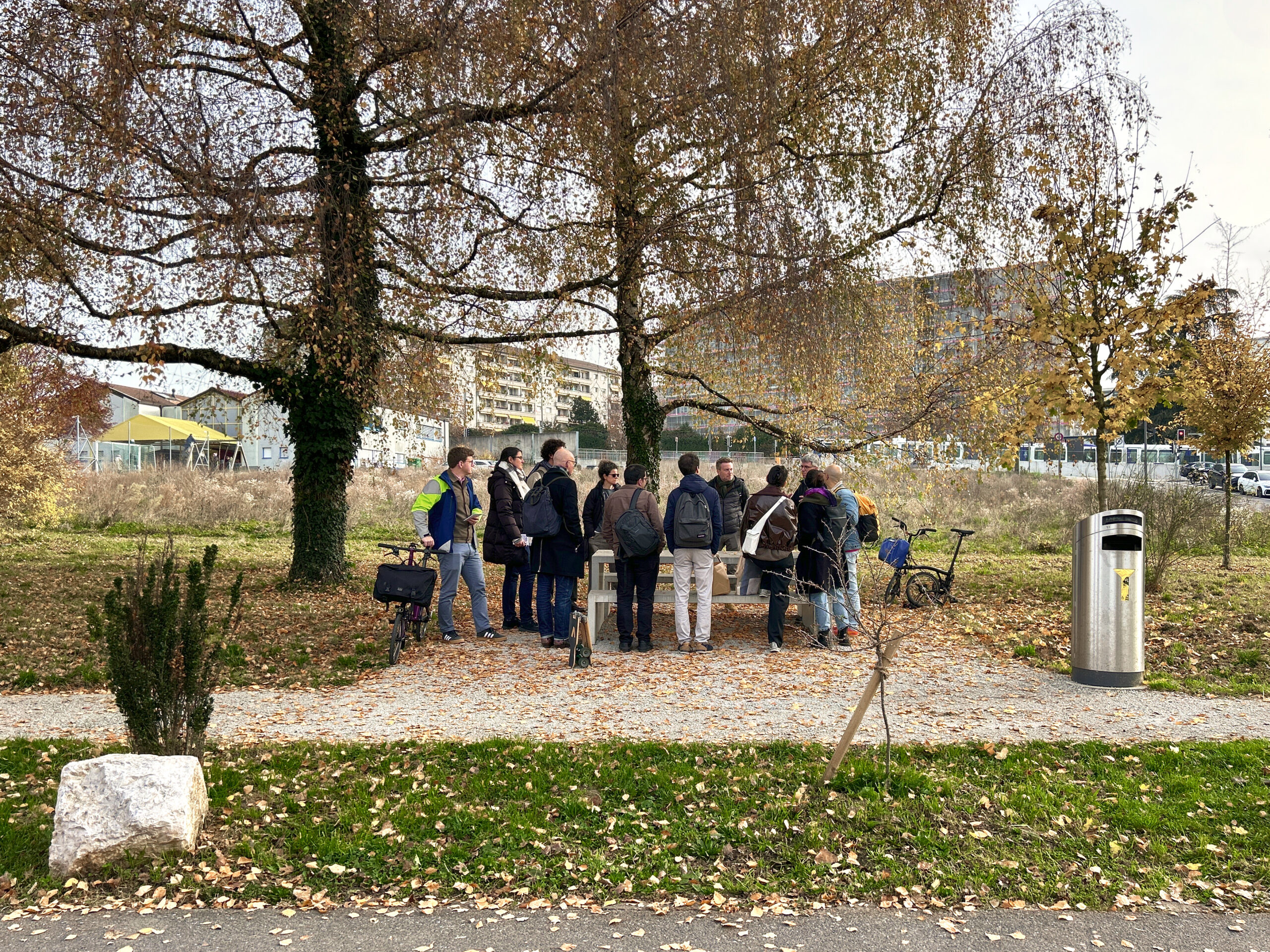
Throughout the project, these experts will accompany and strengthen the research process. Meeting in person at the start of each research cycle and following up on its subsequent activities, the committee contributes to the critical assessment of the methodology and helps adapt the process, when necessary, while enriching our interdisciplinary vision.
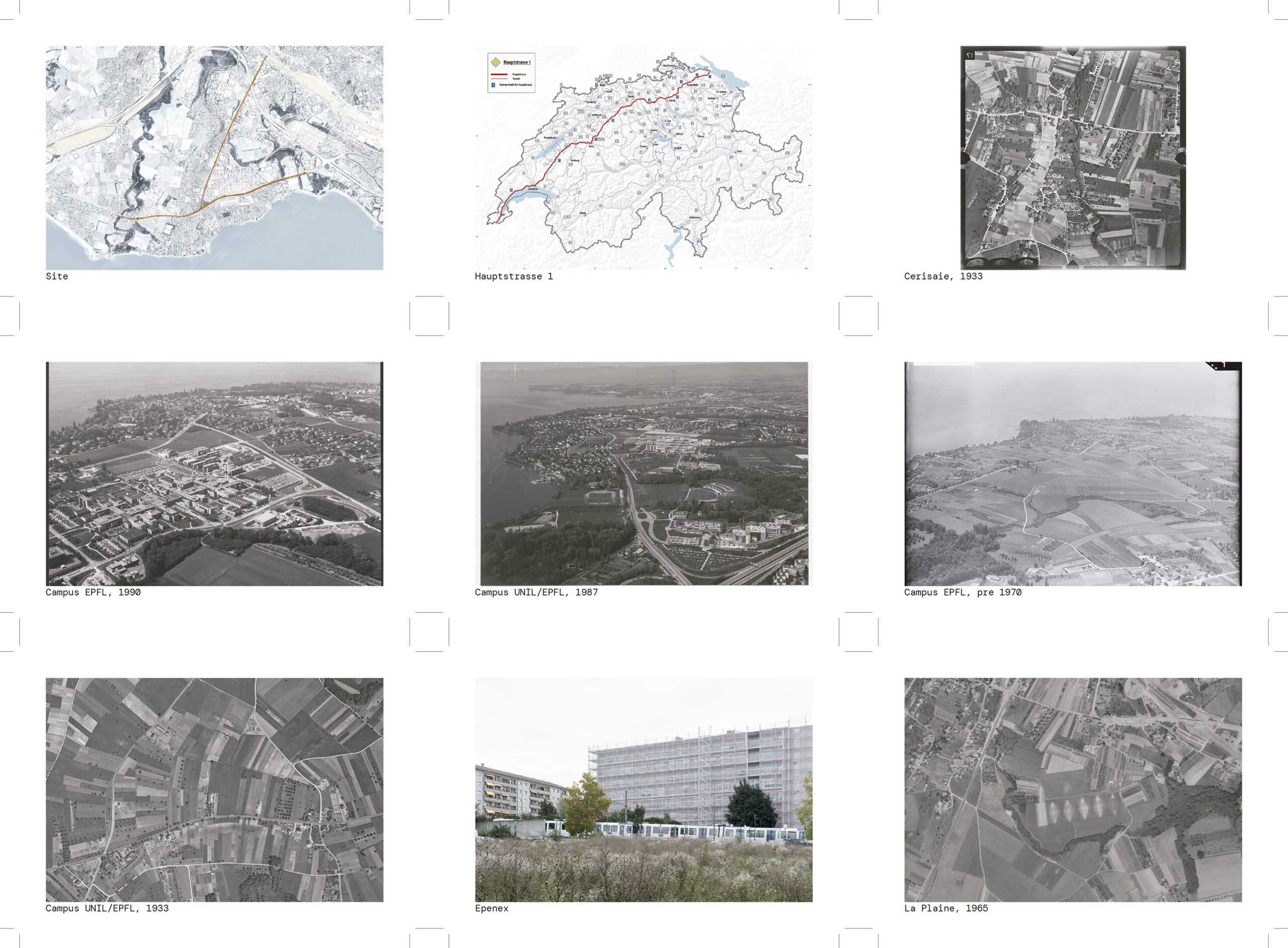
The day began at the offices of the Stratégie et développement de l’Ouest lausannois (SDOL), where the project and its partners were presented, situating the ongoing research within the broader territorial strategies of Lausanne Ouest. From there, the group set out on foot for the first part of the site visit, walking from Renens toward the EPFL campus. This collective traversal of the territory allowed participants to experience first-hand the spatial conditions, mobility dynamics, and landscape qualities of the cantonal roads under study.
In the early afternoon, the visit paused for a lunch discussion dedicated to the Lausanne Ouest case, held in the presence of institutional partners. This informal setting fostered exchanges between research, public authorities, and experts, creating space to discuss both strategic questions and lived experiences of the territory.
The site visit then continued toward the University of Lausanne (UNIL), before concluding at ALICE (EPFL) with a more reflective moment of exchange. During this final session, members of the Experts Committee were invited to share their own approaches, interests, questions, or ongoing work as these relate to the themes of Infrastructural Baukultur and Passage-Paysage. These short contributions opened a rich discussion linking infrastructure, social logistics, mobility, governance, policy prototyping, ecosystem services, and the cultural dimensions of road transformation.
The day also benefited from the presence and active involvement of local partners from the Stratégie et développement de l’Ouest lausannois (SDOL) and the Canton de Vaud, whose contributions helped ground discussions in ongoing territorial processes and institutional realities. Together, this collective moment of walking, discussion, and reflection reinforced the project’s ambition to rethink cantonal roads as shared, ecological, and cultural infrastructures embedded in everyday landscapes.
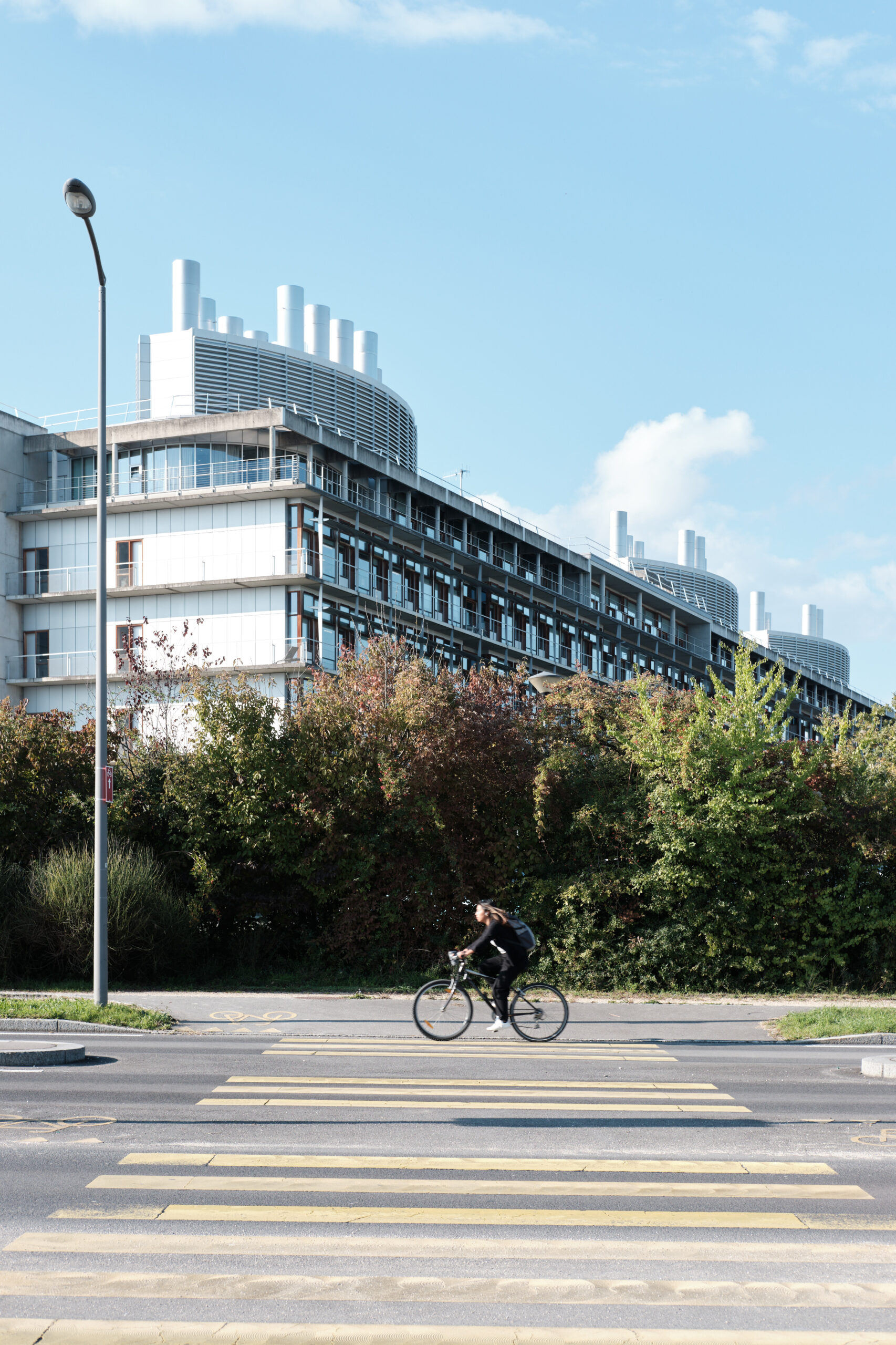
Cover image © Julien Heil.