Congrès du Paysage 2026 / Landscape infrastructures as Baukultur: A study case in l’Ouest-Lausannois
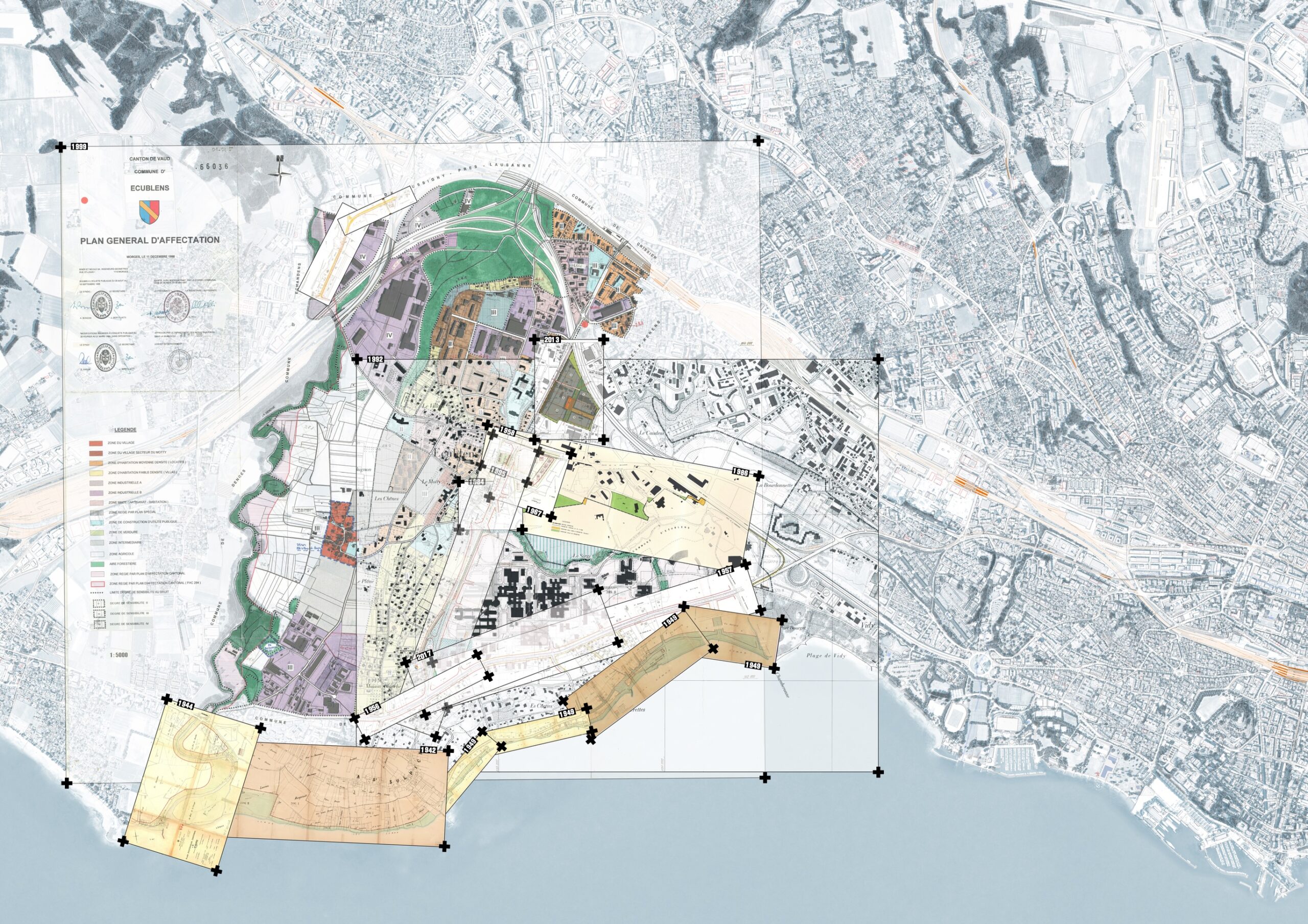
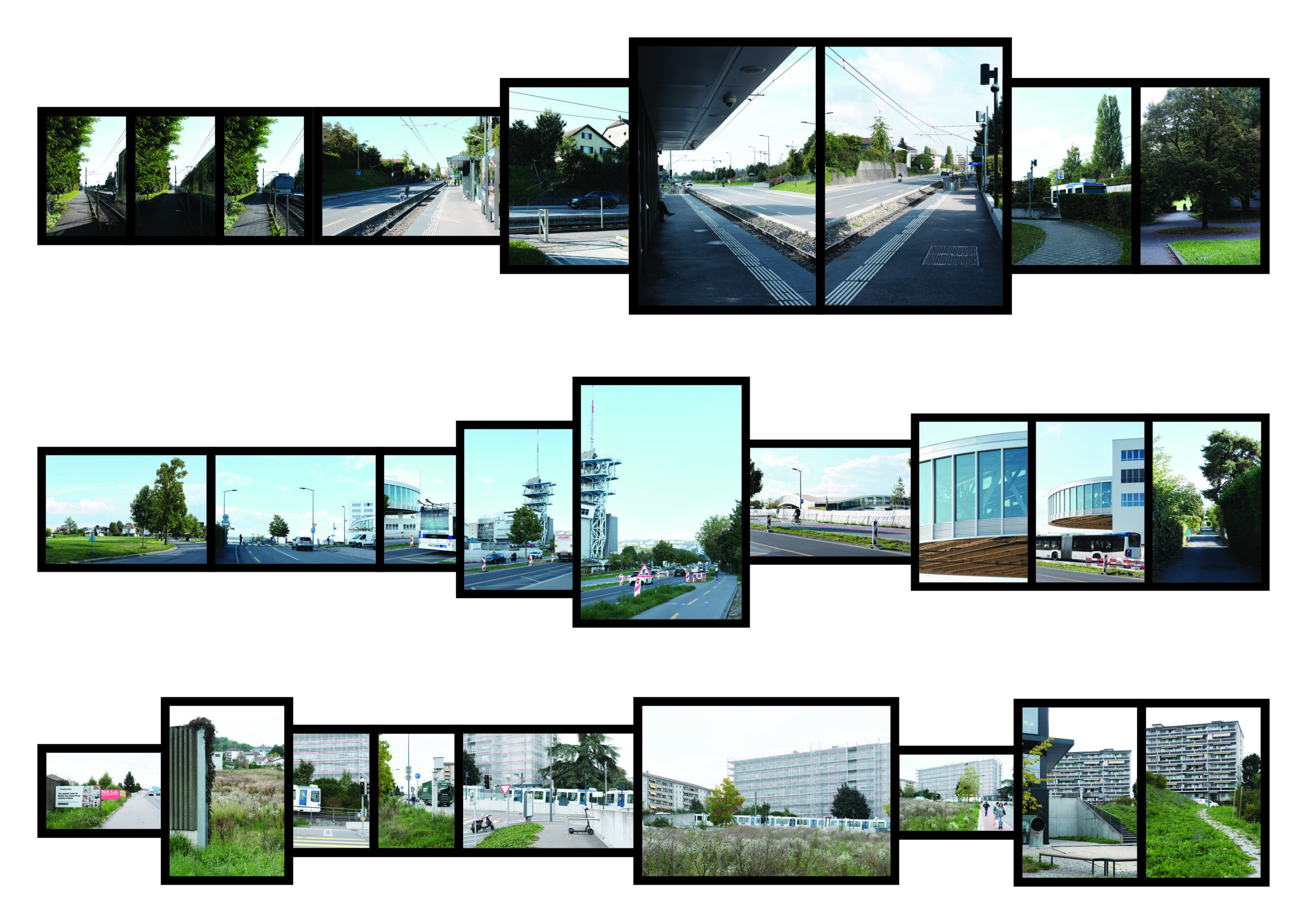
Infrastructure and streets are the backbones of Baukultur, shaping the public space where people, goods, and ideas intersect. Yet in many European cities, over half of this space is primarily dedicated to cars, limiting its potential to serve as thriving public places. To redefine roads not just as functional routes but as places of social cohesion and ecological resilience is the goal of the project “Infrastructural Baukultur: Co-Design Methodologies for the Transformation of Swiss Cantonal Roads into Passage-Paysages”, part of the National Research Program 81 on Baukultur. In Switzerland, routes cantonales en traversée de localité have historically connected city centers to their peripheries, recently becoming the territorial backbones of urban densification projects. This makes them a key pressure point to address the links between mobility, urban infrastructure and landscape. Since 2019, the laboratories ALICE (EPFL) and OUVEMA (Unil) have conceptualized and modelled Passage-Paysages as multimodal landscape infrastructures (ALICE and OUVEMA 2023). In this contribution, we will present the results of this project’s first study case in the Ouest-Lausannois, focusing specifically on how collective figurations of an infrastructural Baukultur reframed as landscape infrastructure can help us render productive the relation between the notion of place, “a dynamic, relational socio-physical construct”, central to the Davos Declaration and Baukultur Quality System, and landscape.
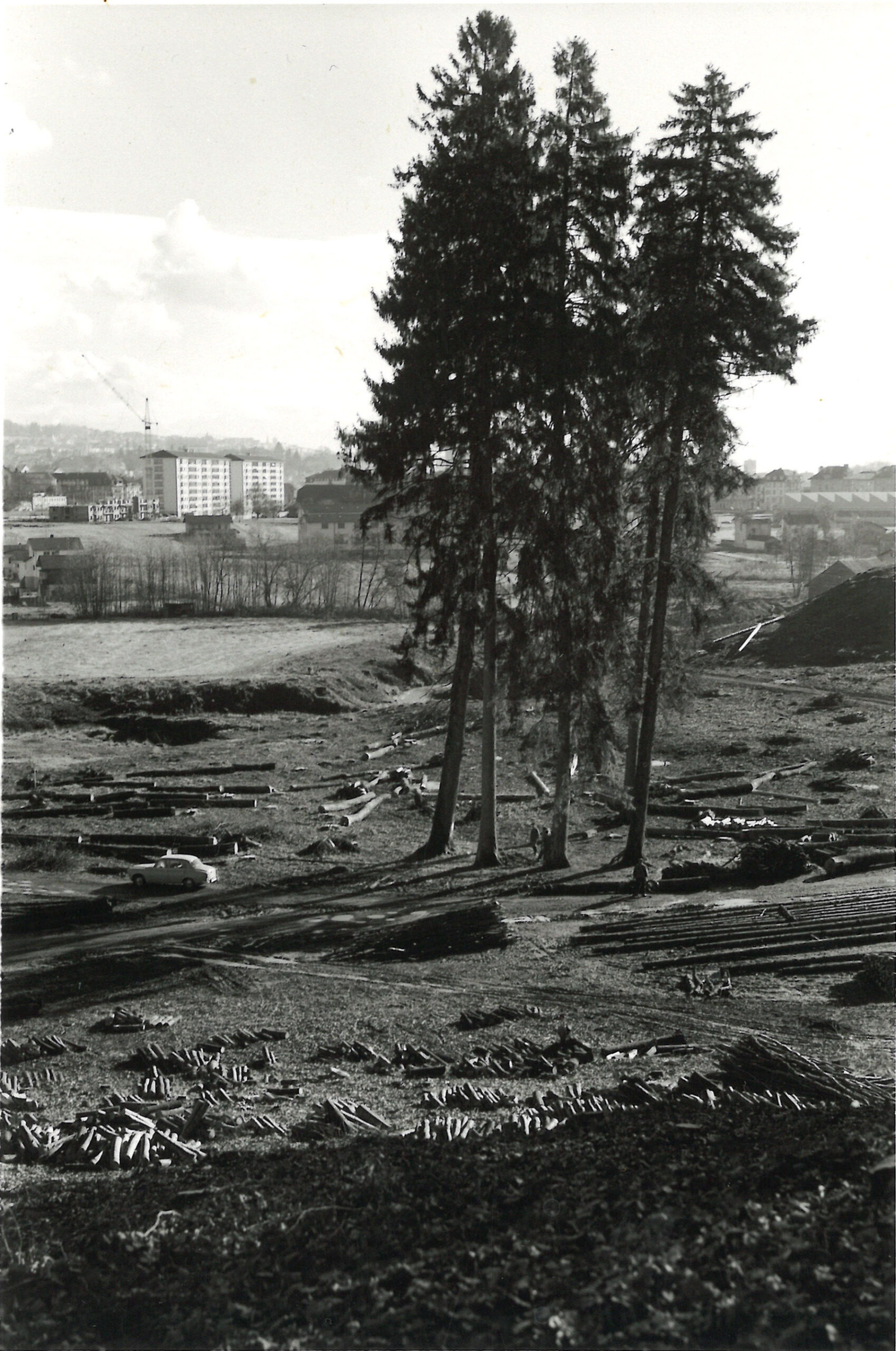
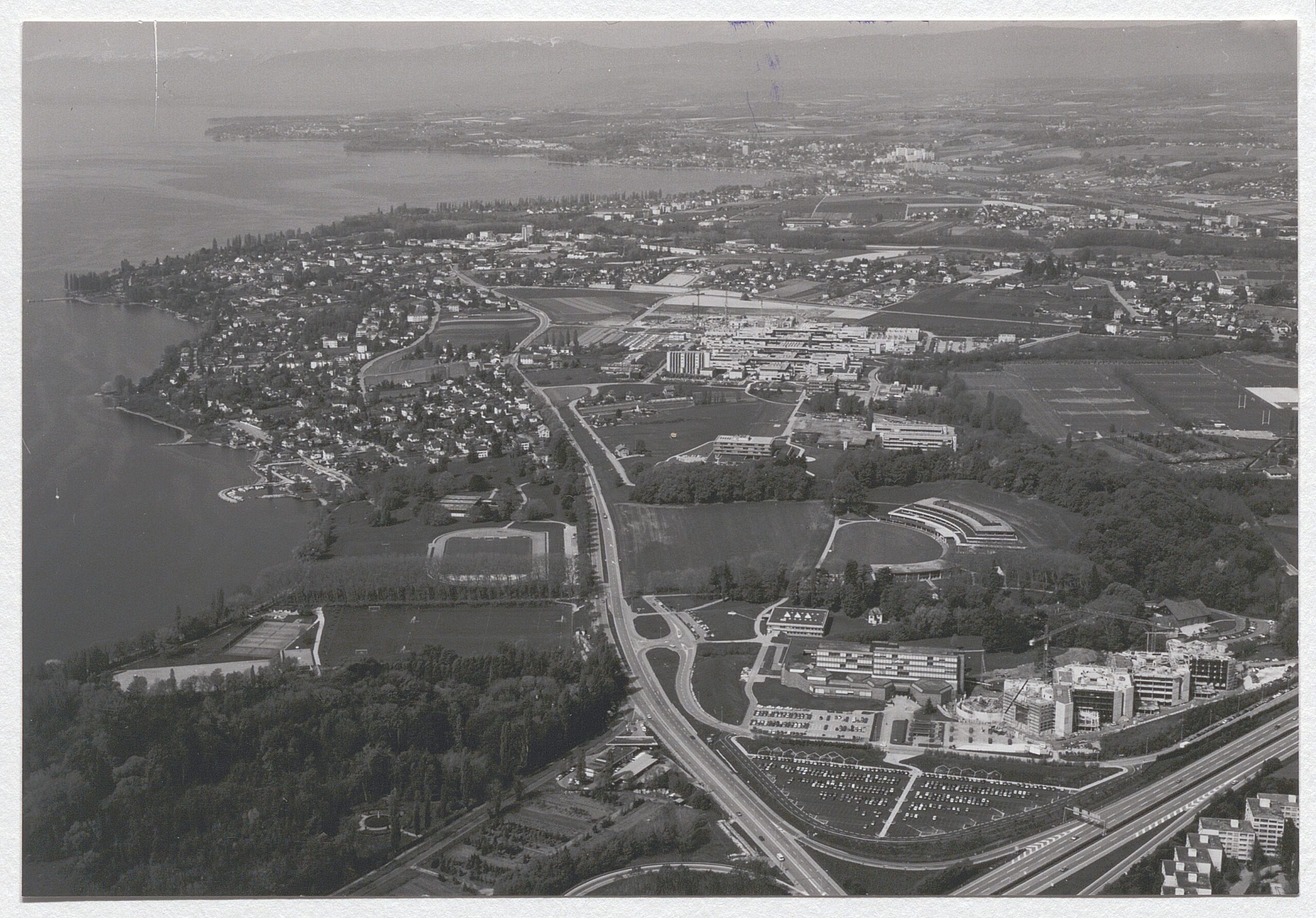
Picture: Archives Cantonales Vaud