ECLAS Conference 26: TAKE CARE / Figuring the urban surface as a socioecological contact zone: co-design methodologies with children in the commune of Givisiez, Switzerland
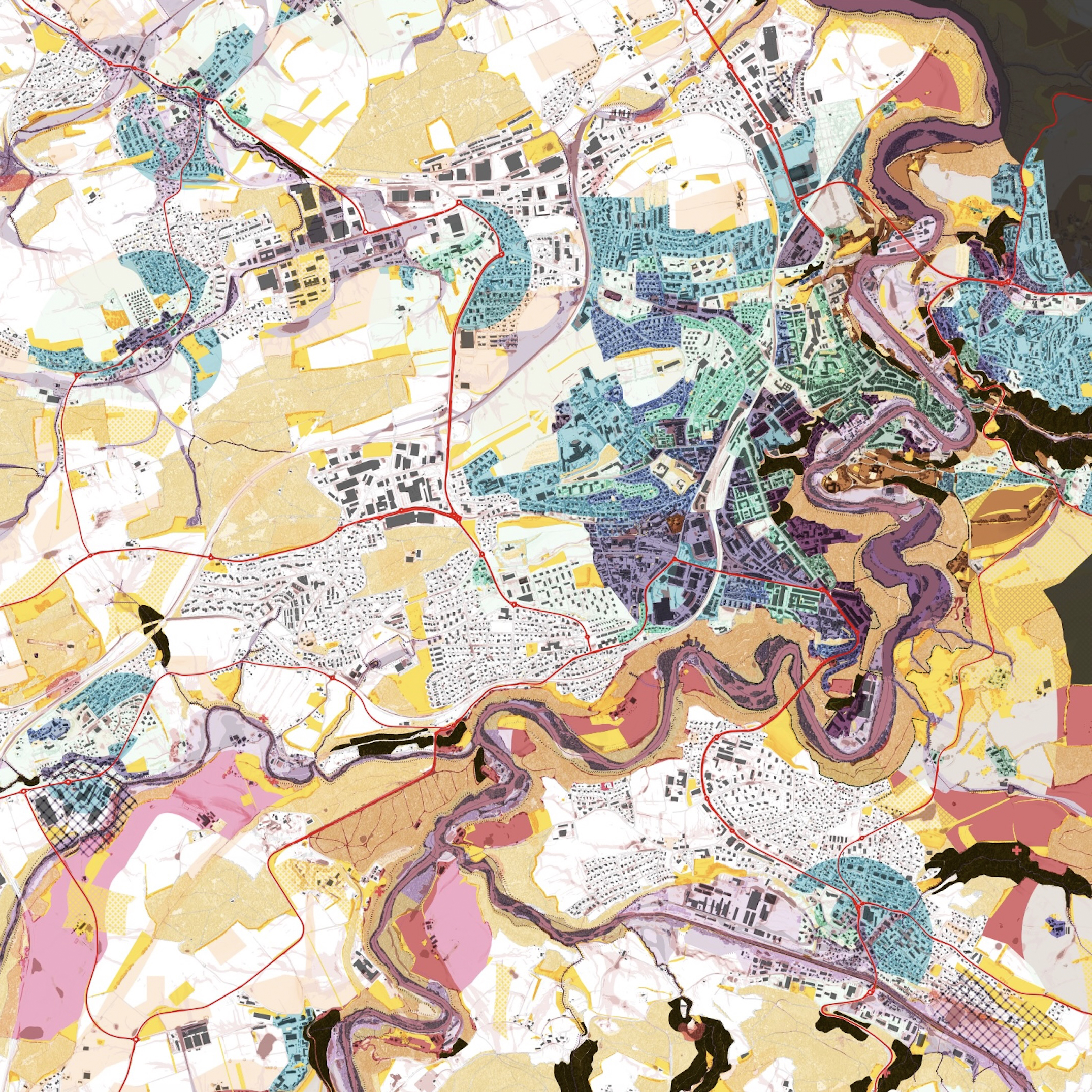
The soil beneath our feet is one of our largest reservoirs of biodiversity, a hidden and unknown ocean which contains almost one-third of our planet’s living organisms (Robbins, 2013). If we ignore this teeming realm when designing our habitats, we seal, pollute and impoverish our soil causing serious and often irreversible effects on our environments as well as on the health and well-being of the human and more-than-human inhabitants of our cities. Could this continued silencing of soils in urban design derive from an imagination problem? The inaccessibility and hidden condition of soil have posed a problem to its representation, and when we cannot figure out this plural realm, we tend to objectify it, emptying it of any agency. How can we address this lack of collective figurations to regain democratic and inclusive forms of agency over our habitats?
This proposal will present and reflect on a series of methods used to address the question of how to collectively imagine and figure our soils as part of the project “Co-Designing the Urban Surface as Socio-Ecological Interface in the Adaptation of Fribourg’s Cantonal Roads into Multimodal Passage-Paysages” developed by the EPFL ALICE lab (Atelier de la Conception de l’Espace). This three-year research project explores how the urban surface can be leveraged within co-design methodologies applied to the transformation of Swiss cantonal roads into landscape infrastructures with a focus on active mobility.
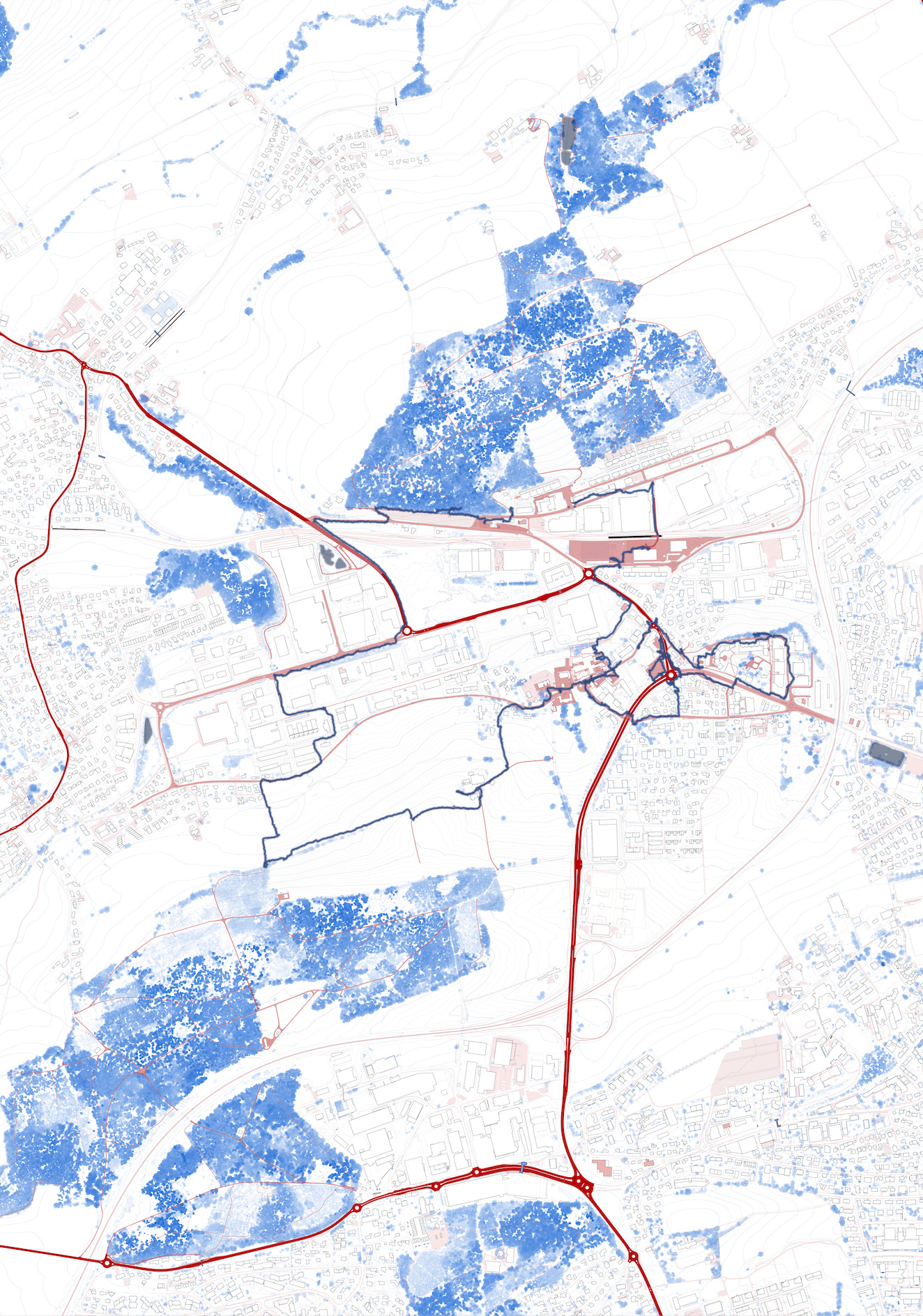
In Switzerland, cantonal roads have historically connected city centers to their peripheries, recently becoming the territorial backbones of urban densification projects. In Fribourg, a substantial percentage of the city’s available public space is dedicated to cantonal roads which work neither as roads nor as streets. This extensive road surface has a determinant effect on soil sealing processes within the region, causing heat islands, interfering with rainwater infiltration dynamics and the local microclimate, and threatening the area’s biodiversity. We believe that the urban surface can operate as a design interface between the soil and natural rhythms of our habitats and the programming of new sociocultural uses for healthier lifestyles.
Moreover, the urban surface enacts a socioecological contact zone that can help us negotiate and construct new figurations and thus, these new relations with the soil along with new public urban practices. The notion of contact zone, introduced by Mary Louise Pratt in 1991 to describe spaces where different cultures meet, clash and grapple with each other, has been reinterpreted and expanded since then in ecological contexts. Donna Haraway has considered the constructed nature of the contact zone in the interaction with other species (2008), while Anna Tsing has described these zones as transformative spaces of friction and negotiation where human and nonhuman trajectories meet under capitalism (2005, 2020).
Our presentation will start by problematizing our representations of soils. We will consider how soil has been historically represented both in the architectures and in other related fields, with special attention to the challenges posed by the soil to traditional forms of spatial representation. We will frame this through a theoretical reflection on the notion of figuration. This will help us develop new figurations of the soil beneath our cities as materialistic mappings of situated, socioecological positions (Braidotti 2011), political, collective, inhabitable and performative images of contestable worlds able to trouble mimetic representations, identifications and certainties by exploring their allegoric and tropic condition (Haraway 1997; Jameson 1988).
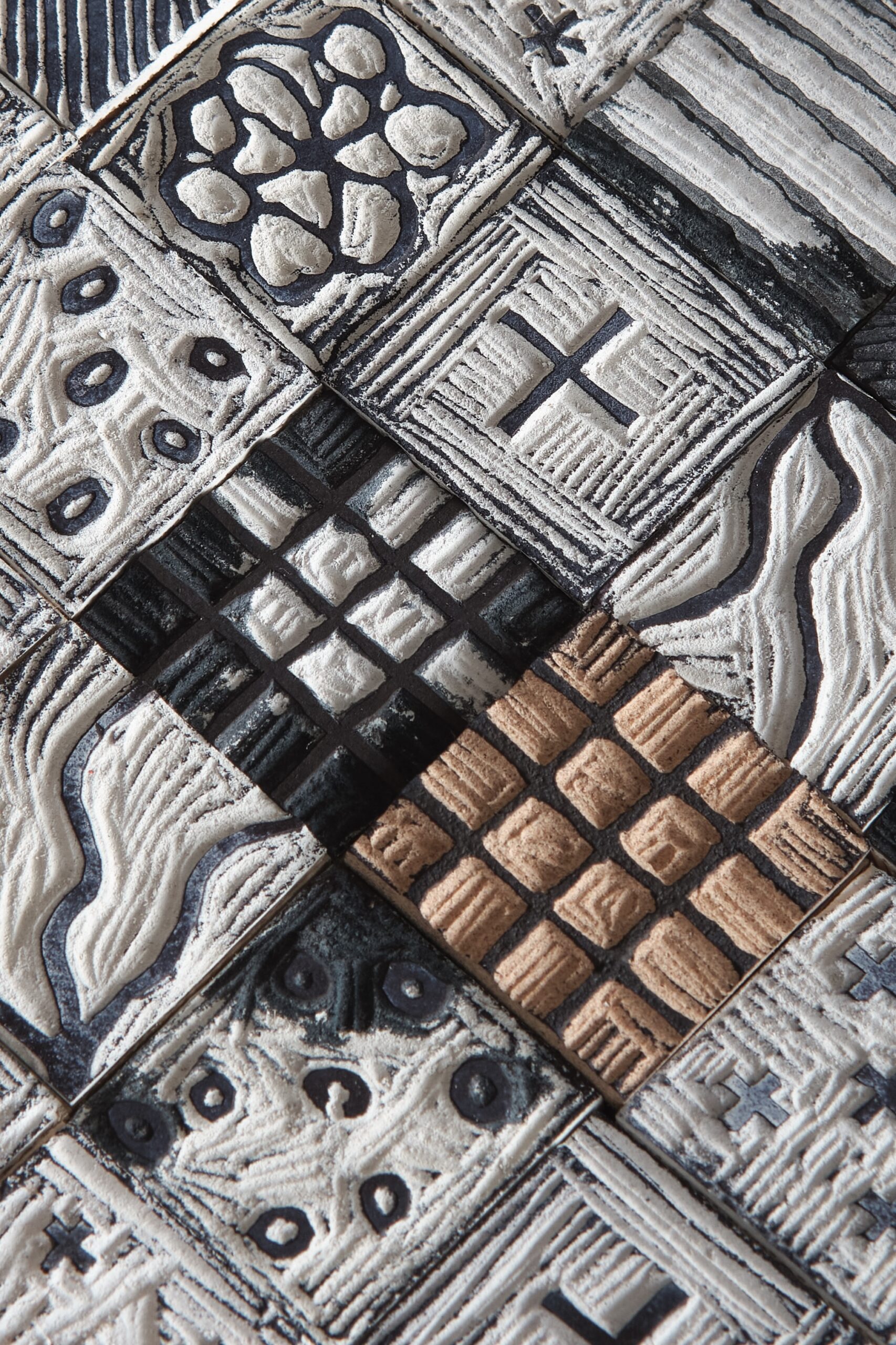
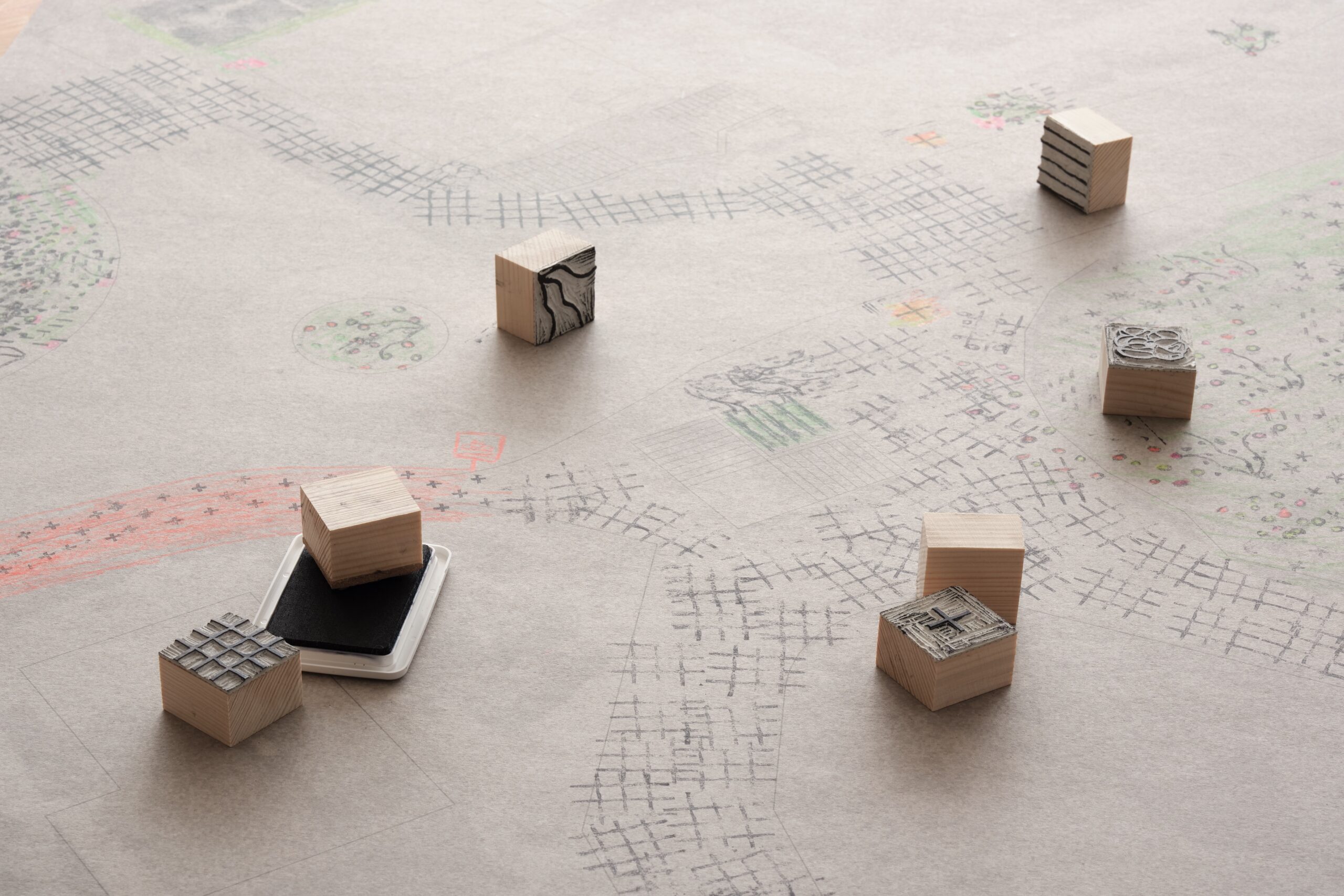
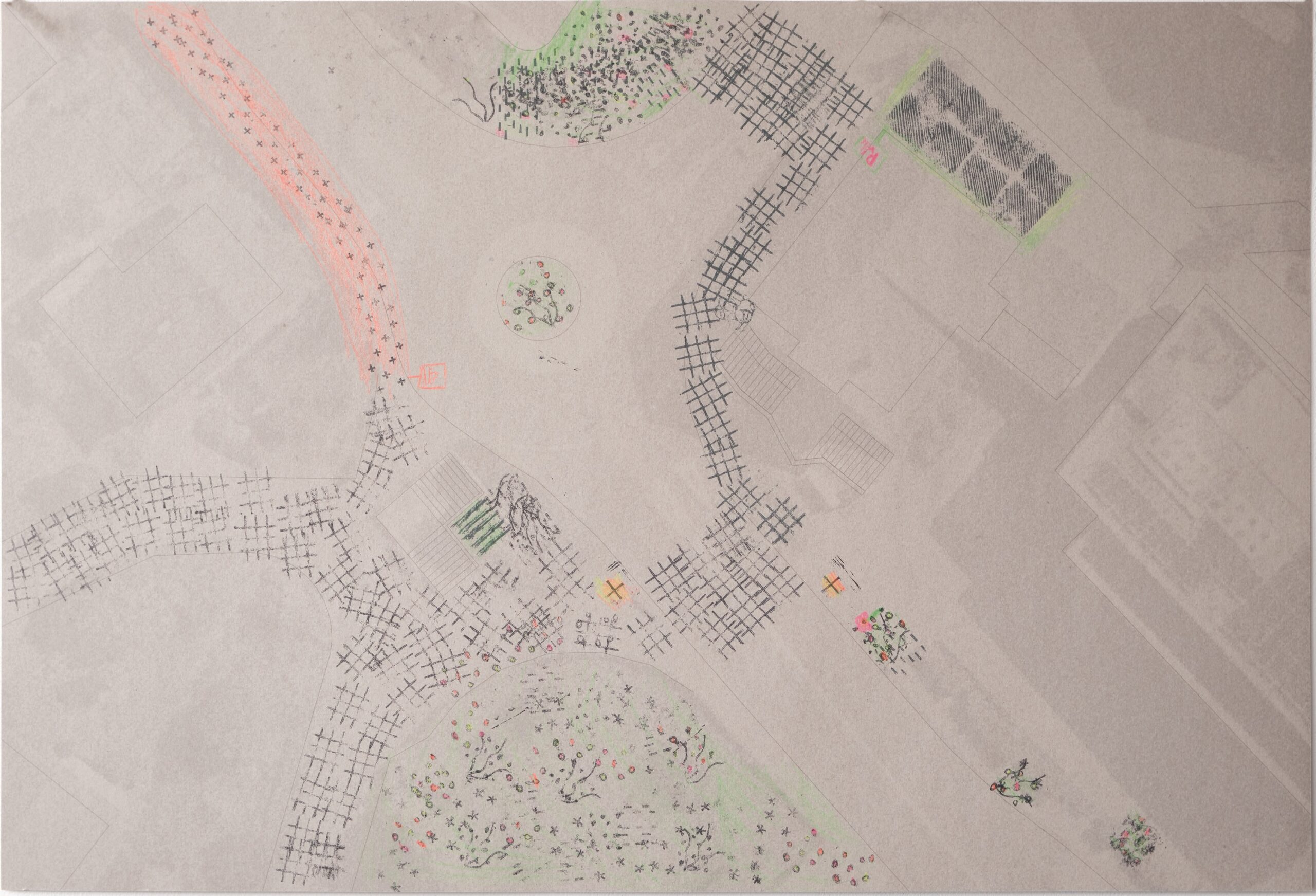
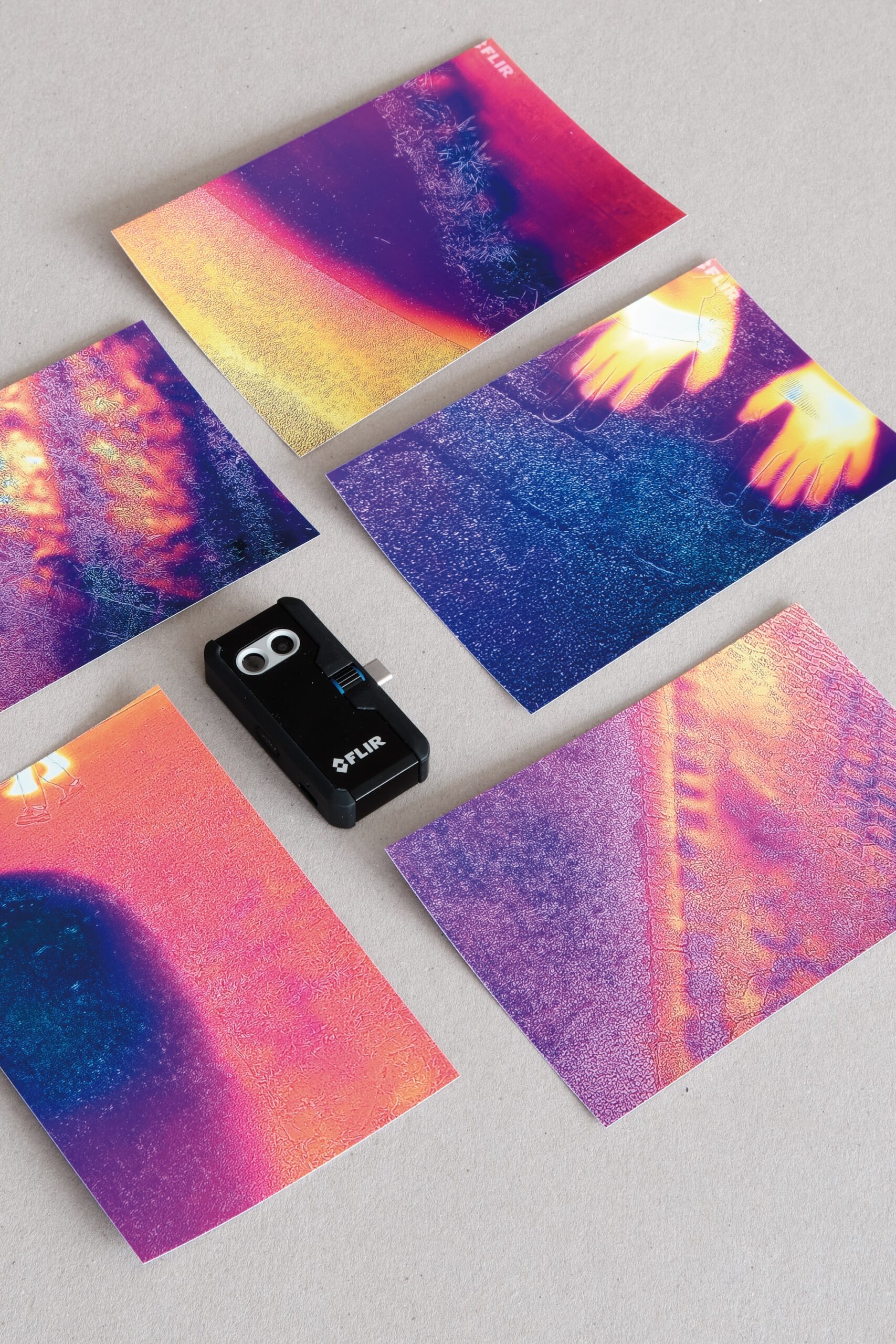
Departing from this conceptual and historical framework, we will show how we have applied it in a series of workshops with children aged 10 to 12 from a local school in Givisiez currently leading a “Bike to School” project. With them, we use thermal cameras to understand, in a practical way, differences in the behavior of various surfaces (concrete, soil, grass, etc.) and how these differences affect their everyday practices. Second, we use a series of paper cut-out city models, specifically designed to enable children to build, explore, and immerse themselves in the areas under study. Third, we introduce a collection of handcrafted stamps carved from linoleum plates. These feature a set of symbols and textures used collectively to design new urban surfaces on the models. The symbols are in turn activated through a narrative legend linked to the activities carried out with the thermal camera.
The interplay between these instruments seeks to overcome the abstraction of design and planning by grounding them in the material everyday experiences of the participants while involving their bodies in a material collective action that foregrounds relevant environmental know-hows that might otherwise remain hidden. Throughout the process, we see how the care and engagement of the participants is inextricably linked to the elaboration of collective figurations of their everyday landscapes that in turn increase their spatial, social, and political agency.